How Small Teams Can Use AI For Big-Time IT Results In 2026
Modern businesses do not need a huge IT department to benefit from AI, automation, and cloud-first tools; they need a clear plan, the right partners, and practical steps they can execute quickly.
Why AI Matters For Small IT Teams
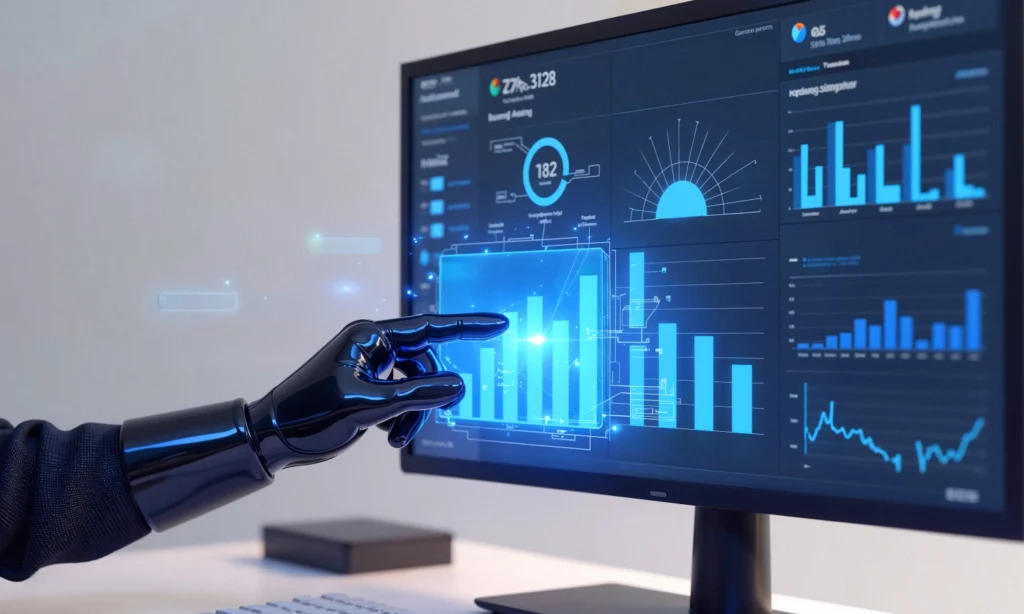
AI is no longer a future concept; it now sits inside the tools your team already uses, from service desks to security platforms, helping teams respond faster and make better decisions. For small and mid-sized businesses, this means you can deliver “enterprise-grade” reliability and support without hiring a full in-house IT army.
- AI-powered monitoring can detect unusual behavior, failed logins, and performance issues long before users complain, reducing downtime and frustration.
- Intelligent routing and ticket triage can automatically prioritize urgent issues and send them to the right expert, which is especially helpful when your IT team is lean.
Three IT Priorities For 2026
To get real value from AI and modern IT tools, small teams should focus on a few core priorities instead of chasing every new trend. These priorities help align technology decisions with business outcomes like uptime, security, and customer experience.
- Strengthen identity and access: Use MFA, single sign-on, and role-based access to limit risk if credentials are stolen, and connect these tools to monitoring so suspicious behavior is flagged automatically.
- Standardize your stack: Choose a clear set of tools for collaboration, devices, and support so your team is not fighting multiple overlapping systems and logins.
- Automate the repeatable work: Start with routine tasks such as password resets, software updates, and basic onboarding checklists to free your experts for higher-value projects.
Co-Managed IT And When To Partner
Even with smart tools, there are moments when small teams hit capacity—large projects, mergers, security incidents, or 24/7 coverage needs. In these cases, a co-managed IT model lets internal IT keep control and context while a partner provides extra hands, advanced skills, and around-the-clock monitoring.
- Internal IT stays focused on strategy, business knowledge, and stakeholder relationships, while the partner handles heavy-lift implementation, documentation, and after-hours support.
- The goal is not to replace your team but to extend it, so your business benefits from enterprise-level capabilities without enterprise-level overhead.
Practical First Steps This Week
Getting started does not require a full transformation; a simple 30–60 day plan is plenty to unlock early wins and build confidence. The key is to pick a small scope, measure impact, and then expand what works across more systems and teams.
- Run a quick IT health check: Review current tools, licenses, and top support issues to see where automation or AI could reduce noise or risk fastest.
- Pilot one AI-assisted workflow: For example, smarter ticket routing in your help desk, automated alerts from your security stack, or basic self-service responses for common user questions.
- Set clear success metrics: Track response times, ticket volume, and uptime before and after the pilot so you can show leadership the impact in terms they care about.
How BrightFirst Can Help
BrightFirst focuses on helping businesses turn IT from a reactive cost center into a proactive, growth-ready capability through managed and co-managed services. Whether you are building out your first IT program or scaling an existing team, the emphasis is on practical roadmaps, secure foundations, and technology choices that match real-world budgets.
Services can include managed IT, co-managed IT support, security-focused initiatives like IAM, and digital strategy that connects your IT roadmap to business goals. If you are ready to explore what AI-empowered, modern IT could look like in your organization, the next step is a short conversation to review your environment and design a right-sized plan for 2026.
Recent Posts
- Design & Branding That Make Technology Feel Human
- Why Shopify Is the Smart Choice for Online Retailers — And How Brightfirst Technologies Helps You Build It Right
- Managed IT Services: Why Growing Businesses Outgrow “Best-Effort” Support
- How Technical SEO Powers Modern IT Services
- How Small Teams Can Use AI For Big-Time IT Results In 2026
Ready to put AI to work for your IT team?
Schedule a quick call with BrightFirst to review your current environment and identify fast wins for 2026.